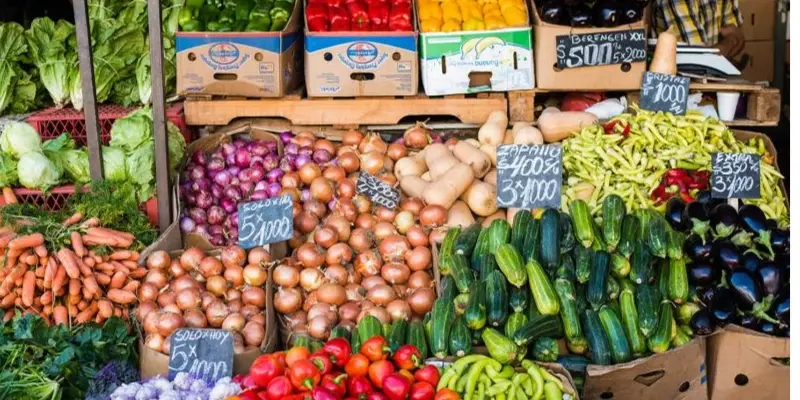
When the holiday season arrives in Chile, the country fills with long-awaited traditions, summer sunshine, and, of course, iconic Chilean Christmas food. While the Northern Hemisphere associates Christmas with snow and warm spices, Chileans gather around tables loaded with local fresh products, festive drinks, and one unmistakable star: Pan de Pascua. Another essential guest at every celebration is Cola de mono: a sweet, spiced cocktail enjoyed throughout the holiday season.
Whether you’re visiting Chile during the holidays or want to bring South American flavors into your home kitchen, here’s your guide.
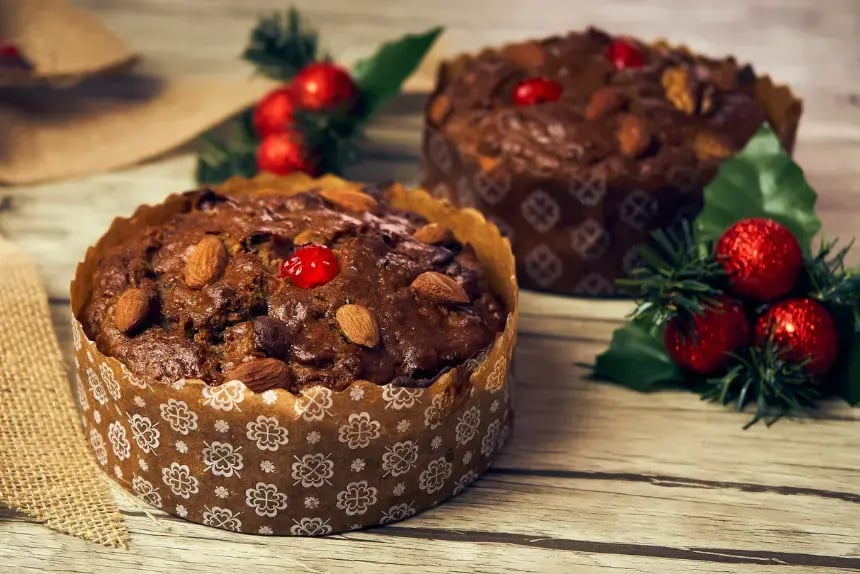
Pan de Pascua: Chile’s Christmas cake
No food is more synonymous with Christmas traditions in Chile than pan de Pascua. This dense, fruit-filled cake makes its appearance in bakeries and supermarkets from late November and remains a seasonal staple through New Year.
Pan de pascua is similar to German stollen, Italian panettone, and English fruitcake, but uniquely Chilean. It’s a moist, spice-rich cake made with dried fruit, nuts, and honey. Slices are typically enjoyed with a cold glass of cola de mono.
Where does it come from?
Pan de pascua’s history reflects Chile’s long and diverse culinary influences. One theory suggests that German immigrants brought Stollen, also known as Christstollen (Christmas bread), to Chile in the 19th century.
Traditionally, this version was made with yeast and marzipan, and enriched with nuts, almonds, and dried fruit. Over time, local cooks modified these recipes using Chilean ingredients and preferences. The result is a more aromatic, darker cake that is now deeply tied to Chilean culinary identity.
Another theory points to Italian immigrants as the origin, suggesting that pan de pascua evolved from panettone, a festive bread that dates back to the 15th century. This early version was closer to a brioche-style dough, flavored with honey, candied fruit, and raisins.
Today, pan de pascua exists in many variations. Broadly speaking, there is a “bread-style” version made with yeast, candied fruit, raisins, and walnuts, and a “cake-style” version without yeast, typically made with honey, raisins, and dried fruit.
How Chileans eat it
Most families buy pan de pascua from their favorite bakery or local supermarket, though homemade versions remain common. It’s usually served:
- At Christmas breakfast or afternoon tea (onces)
- As a dessert after Christmas Eve dinner (Nochebuena)
- During New Year gatherings
- Chilled, especially when paired with cola de mono
Make your own: Pan de Pascua recipe
Recipe from Gourmet
Ingredients
-
¾ cup/100 g currants
-
¾ cup/100 g walnuts, chopped
-
¾ cup/100 g candied fruit
-
¾ cup/100 g almonds, chopped
-
¾ cup/100 g golden raisins
-
2 cups/400 g sugar
-
1 tablespoon ground cinnamon
-
1 teaspoon ground cloves
-
1 tablespoon pan de pascua essence or vanilla extract
-
1 tablespoon rum extract
-
½ cup/120 ml water
-
1 cup/250 g unsalted butter, softened
-
5 eggs, separated
-
4 cups/500 g all-purpose flour
-
1 teaspoon baking powder
-
1 teaspoon baking soda
Instructions
-
In a large bowl, combine the golden raisins, currants, walnuts, candied fruit, and almonds with ½ cup/100 g of the sugar. Add the spices (ground cinnamon and ground cloves), the extracts (rum extract and pan de pascua/vanilla essence), and the water. Mix well, cover, and let rest overnight to allow the flavors to develop.
-
The next day, beat the butter with 1 cup/200 g of the sugar until pale and creamy. Add the egg yolks one at a time, beating well after each addition. Stir the soaked fruit and nut mixture into the butter mixture until fully incorporated. Set aside.
-
In a separate bowl, whisk together the flour, baking powder, and baking soda. Gradually add this dry mixture to the fruit batter, mixing until a thick, even batter forms.
-
In another bowl, beat the egg whites with the remaining ½ cup/100 g of sugar until stiff peaks form. Gently fold the meringue into the batter using a spatula, being careful not to deflate it.
-
Pour the batter into a greased baking pan. Bake in a preheated oven for about 45 minutes, or until a toothpick inserted into the center comes out clean. Let cool completely before slicing.
Cola de mono: Chile’s creamy holiday cocktail
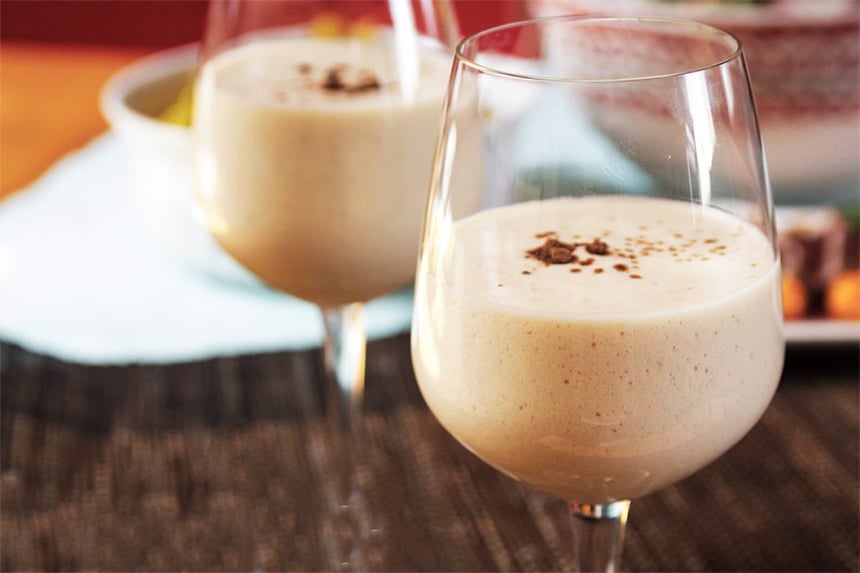
No Christmas in Chile is complete without cola de mono, also known as colemono. Creamy, cold, and lightly spiked, it’s a festive drink somewhere between a cold spiced milk punch and egg-free eggnog.
Cola de mono is a coffee-and-milk cocktail flavored with cinnamon, cloves, nutmeg, vanilla, and sugar, mixed with Chilean aguardiente (a clear spirit), though rum or pisco can be used too. Served icy cold, it's the perfect refreshment in the southern summer.
Cola de mono is enjoyed throughout December and on New Year’s Eve. Families usually prepare big batches the day before gatherings, letting the flavors develop overnight.
It pairs perfectly with pan de pascua and Christmas cookies.
Origins of cola de mono
Its origins are wrapped in folklore. One popular legend claims that Chilean president Pedro Montt, nicknamed “el Mono Montt” by his friends, once attended a party where the hosts wanted him to stay longer. As heavy rain poured down, they tried to prevent his departure by claiming they couldn’t find the president’s revolver, his Colt pistol. With all the other drinks already gone, they mixed a strong beverage using whatever was left on hand: milk, coffee, spices, and spirits.
The mixture was a hit and was jokingly named “Colt de Montt,” a play on words referencing the revolver. Over time, the name is said to have evolved into cola de mono. Whether true or not, it’s a story Chileans love to tell.
However, other theories exist. One suggests that the drink was originally bottled in containers of Anís del Mono, a Spanish anise liqueur. The labels on these bottles featured a monkey (mono in Spanish) with a long tail (cola), which may have inspired the name cola de mono.
Make your own cola de mono
Recipe from Paulina Cocina
Ingredients
-
4 cups/1 liter whole milk
-
2 tablespoons/30 ml instant coffee or 1 cup/240 ml strong brewed coffee
-
¾ cup / 200 ml Chilean aguardiente or pisco
-
½ cup/120 g sugar (adjust to taste)
-
1 cinnamon stick
-
3 whole cloves
-
A pinch of freshly grated nutmeg
-
1 teaspoon vanilla extract (optional)
Instructions
-
In a large saucepan, heat the milk with the cinnamon stick, cloves, and nutmeg over medium heat.
-
When the milk is hot but not boiling, add the sugar and stir until fully dissolved.
- Stir in the instant coffee (or prepared strong coffee) until well combined.
- Remove from heat and let the mixture cool completely to room temperature.
- Once cooled, strain the milk to remove the spices.
- Stir in the aguardiente or pisco and the vanilla extract. Mix well.
- Bottle the mixture and refrigerate for at least 12 hours before serving.
- Serve well chilled, either on its own or over ice, in small glasses.
Other Chile Christmas foods
While pan de pascua and cola de mono take center stage, Chilean families prepare other seasonal dishes that reflect summer flavors and local traditions.
- Pavo or pollo relleno: Stuffed turkey or chicken is common at Christmas Eve dinner, often accompanied by rice, potatoes, or salad.
- Ensaladas: One of the most typical side dishes is a potato salad made with mayonnaise. Other popular options include tomatoes stuffed with tuna or other fish, stuffed avocados, and Arab-style rice seasoned with a generous mix of spices.
- Ice cream & fresh fruits: Since Christmas falls in the middle of Chilean summer, cherries, peaches, watermelon, and ice creams are everywhere.
- Picoteo: Chileans love casual sharing plates: cheeses, olives, charcuterie, and homemade dips enjoyed throughout long family gatherings.
Happy Holidays!
If these flavors have inspired you, discover even more recipes and stories about Chile's cuisine in our cookbook 'A Taste of EcoCamp'.