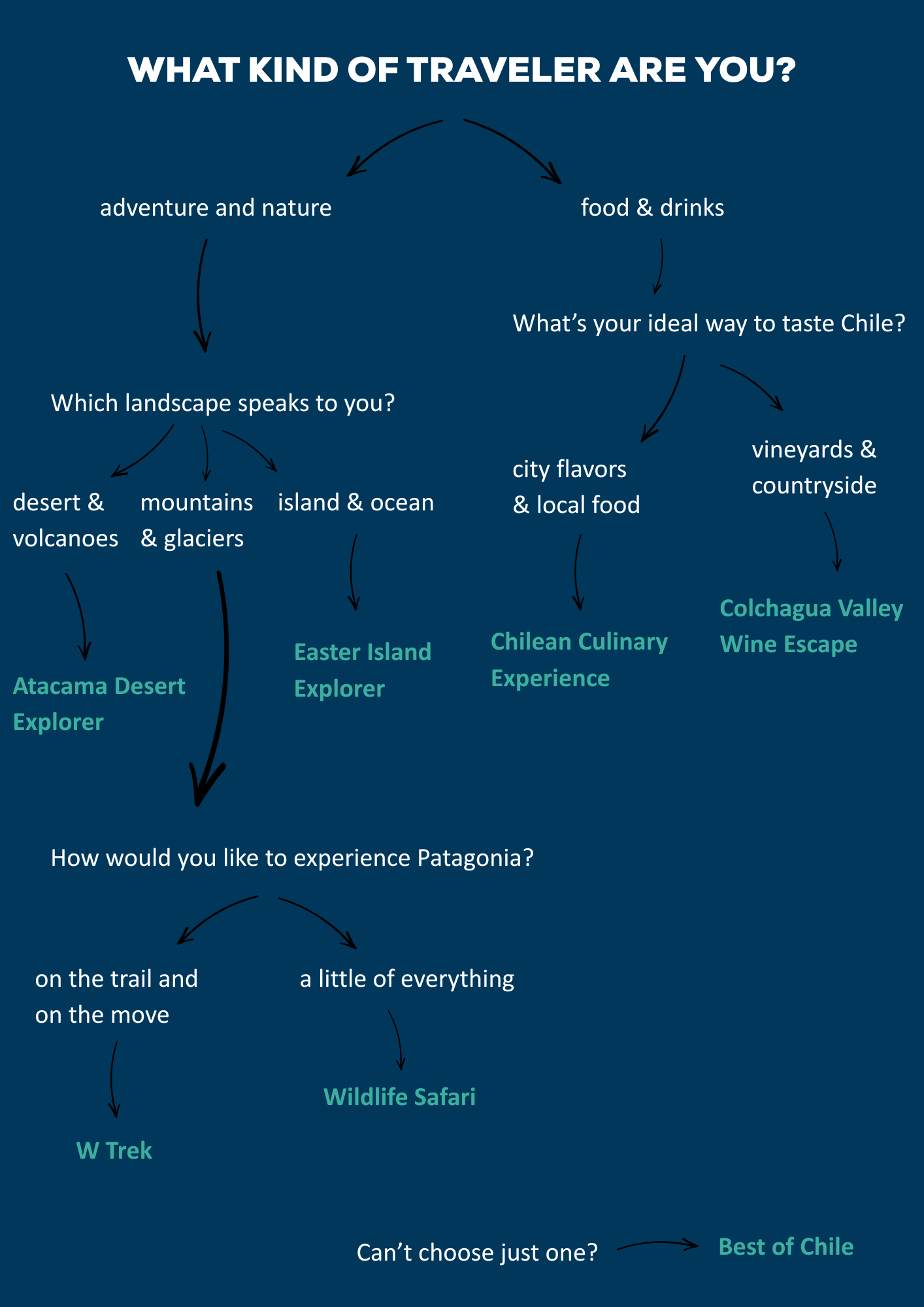
Chile is a country of contrasts. In one trip, you can go from the driest desert in the world to volcanoes, from vineyards and a vibrant capital to Patagonian forests, turquoise lakes, and glaciers.
With so many landscapes and ways to explore, there is no single way to travel through Chile.
Maybe you want to spend your days hiking in the mountains. Maybe you would rather combine a light hike with a boat ride and a chance to spot wildlife. Perhaps food and wine are an essential part of any trip, or you want to discover a place that feels completely different from anywhere else you have been.
The active adventure lover
You don't mind working up a sweat to see something spectacular.
For you, travel means getting outside. You want to hike, explore trails, cross different landscapes on foot, by bike or kayak, and finish the day feeling like you have challenged yourself physically while also feeling recharged by nature.
Chile is made for this kind of traveler. Its geography offers everything from high-altitude desert hikes and volcanoes to some of the world's most iconic trekking landscapes in Patagonia.
Hiking in Patagonia
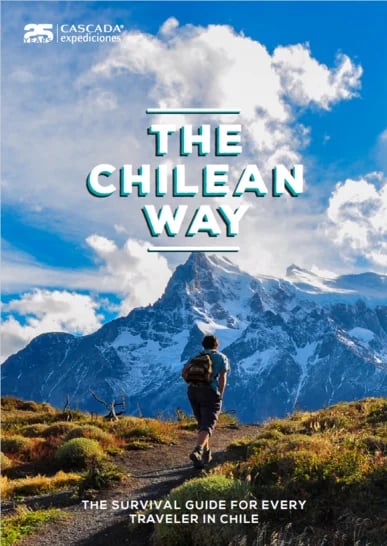
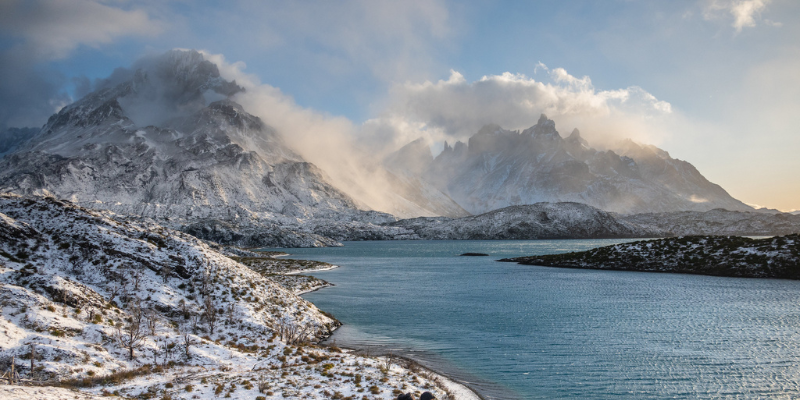
If hiking is at the heart of your trip, Torres del Paine National Park is hard to beat. The park's combination of granite peaks, glaciers, forests, rivers, and lakes makes it one of the most memorable places for hiking in Chile.
But Patagonia is huge, and there are as well hiking options beyond Torres del Paine.
Possible multi-day treks include:
- W Trek: Over 5- to 7-days, the trail takes you through some of the park's most spectacular landscapes, including the French Valley, Grey Glacier, and the iconic Paine Towers.
- Paine Circuit (O Trek): The ultimate challenge inside Torres del Paine. This 9-day (131 km / 81 mi) loop circles the entire Paine Massif and showcases the wildest corners of the park.
- Dientes de Navarino Trek on Navarino Island: Considered the southernmost trekking circuit in the world, this challenging route crosses the remote landscapes of Navarino Island.
- Las Horquetas: Located in the Aysén region, this trek is an excellent choice for hikers who prefer trails that feel wilder and less trafficked while still experiencing classic Patagonian landscapes.
Hiking in other parts of Chile
Patagonia isn't the only place where you can lace up your hiking boots.
In the Atacama Desert, hiking takes on a completely different character. Trails lead through dramatic valleys, salt flats, volcanoes, and high-altitude landscapes.
You can also go hiking in the Andes around Santiago, for example in the Yerba Loca park, or hike in one of the national parks of the Lake District.
-1.webp?width=860&height=574&name=1%20(1)-1.webp)
Multi-activity
If one activity isn't enough, Chile also offers plenty of opportunities to combine different outdoor sports.
- Epic Patagonia Multisport: combine different sports like horseback riding, kayaking, mountain biking and hiking
- Chilean Lake District Adventure: Cycle along Lake Llanquihue from Frutillar to Puerto Varas and hike through Vicente Pérez Rosales National Park
- If you're staying in the capital, the nearby Andes offer opportunities for skiing in winter, and mountain biking or rafting in summer.
The soft adventure explorer
You want adventure, just not necessarily all day, every day.
Maybe you want to hike through spectacular landscapes, but you'd also like to get there by boat. You want to spot wildlife, photograph the scenery and learn about the history of a place without spending every day on a challenging trail.
This is where an experience like the Wildlife Safari in Torres del Paine National Park in Patagonia fits particularly well. A Wildlife Safari combines lighter hikes with other ways of exploring the park, including boat rides, cultural experiences and scenic drives. It gives you the chance to experience the landscapes without committing to a multi-day trek.
.webp?width=1600&height=800&name=2%20(1).webp)
But this type of travel can take many forms.
In the Lake District, for example, you can combine easy walks with boat trips across glacial lakes, visits to small towns, hot springs, and scenic drives beneath snow-capped volcanoes. For example, you can explore Vicente Pérez Rosales National Park without committing to a demanding multi-day trek. Walk through the the Saltos del Petrohué, with the Osorno Volcano rising behind the turquoise waterfalls, then board a boat across Lago Todos los Santos toward Peulla, a small village
On Chiloé Island, the pace is different again. You can walk through the forests and coastal landscapes of Chiloé National Park, and later explore the island's distinctive wooden churches or local food traditions. If you want to add a short hike with a dramatic ocean view, the trail to Muelle de las Almas is another option.
Soft adventure can also mean combining destinations. For example, spend a few days exploring Patagonia before heading north to the Atacama Desert, where walks through valleys and salt flats can be combined with stargazing and other experiences.
The food & wine traveler
You believe that getting to know a country also means tasting it.
For you, a great trip includes memorable meals, local ingredients, a good glass of wine, and the chance to understand a destination through its food.
Discover Chile through food in Santiago
Santiago is a natural starting point for exploring Chilean cuisine.
You can visit local markets, try traditional dishes like pastel de choclo, buy an empanada on the street, discover Chilean wines, and explore the city's growing contemporary food scene.
For travelers interested in how local ingredients are transformed into modern cuisine, restaurants such as Boragó have put Chilean ingredients and ecosystems firmly on the international culinary map.
A food-focused visit to Santiago could also include exploring La Vega Central, trying Chilean street food, or discovering some of the city's smaller neighborhood restaurants and wine bars.
Wine among the vineyards
If your ideal Chilean experience involves a vineyard, a long lunch, and a glass of wine with a view, head south of Santiago to the Colchagua Valley.
The valley is one of Chile's best-known wine regions, with vineyards surrounded by mountains and countryside. The Colchagua Valley Wine Escape is a natural fit for travelers who want to slow down and explore this side of Chile.
Food beyond Santiago and the wine valleys
Chile's culinary story doesn't end in the central regions.
Along the coast, seafood is a major part of the local cuisine, while further south, Patagonian ingredients and traditional preparations reflect the region's landscapes and climate.
In Chiloé, for example, food is connected to the island's culture and agricultural traditions. Curanto, a traditional preparation of seafood, meat, potatoes, and other ingredients cooked in the ground, is one of the island's best-known culinary experiences.
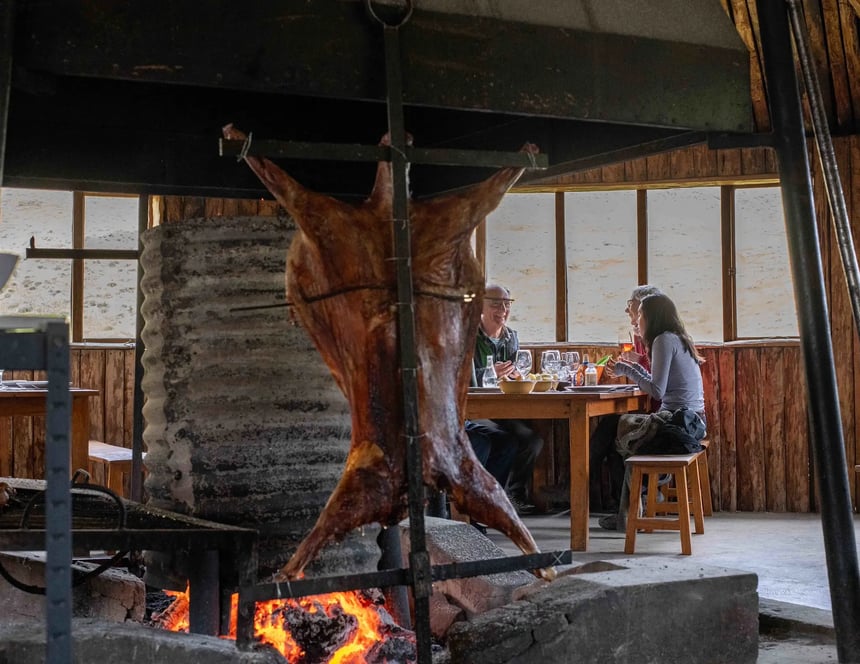
And in Patagonia, a day outdoors can often end around a table with local Magellanic lamb.
The wildlife seeker
You are always looking for movement in the landscape. A shadow on a mountainside. A bird soaring overhead. A group of guanacos crossing the road.
Chile's extraordinary range of ecosystems makes it a rewarding destination for wildlife lovers, from the Atacama Desert in the north to the fjords and channels of southern Patagonia.
Puma tracking in Torres del Paine
Torres del Paine has become one of the world's best-known destinations for observing wild pumas. Specialized tracking experiences take you into the park's open landscapes in search of these elusive cats. Even if you don't spot a puma, the experience offers a different perspective on Patagonia and its wildlife.
Whale watching in Patagonia
Chile's long Pacific coastline and southern fjords are also home to marine wildlife.
In parts of Patagonia, for example starting in Punta Arenas, boat-based excursions offer opportunities to look for whales, dolphins, seals, and seabirds. For travelers interested in marine wildlife, humpback whale watching can be a completely different way to experience Patagonia.
Penguins at the end of the continent
You can also head toward the Magellan Strait to encounter penguins in their natural environment. Depending on the season and location, excursions from Punta Arenas can take you to colonies of penguins on Magdalena Island.
.webp?width=860&height=574&name=3%20(1).webp)
Wildlife beyond Patagonia
And wildlife isn't only a Patagonia experience.
In the Atacama Desert, flamingos can be found around high-altitude lagoons, while vicuñas and other animals like vizcachas have adapted to the extreme conditions of the Altiplano.
This makes wildlife a great theme for a multi-region Chile trip.
The otherworldly landscapes lover
You travel to see places that don't look quite real.
Some landscapes make you feel like you have left Earth altogether. Chile has more than its fair share of them.
Atacama Desert
The Atacama Desert in northern Chile is one of the driest places on Earth, but its appeal goes far beyond its lack of rain. Here, you can visit valleys who look like Mars, high-altitude lagoons like Miscanti and Miñiques, see geysers erupt, and clear skies make the region one of the world's most remarkable places for stargazing.
The Atacama Desert Explorer brings together some of these different sides of the region.
Easter Island
You would choose a remote island over another city break.
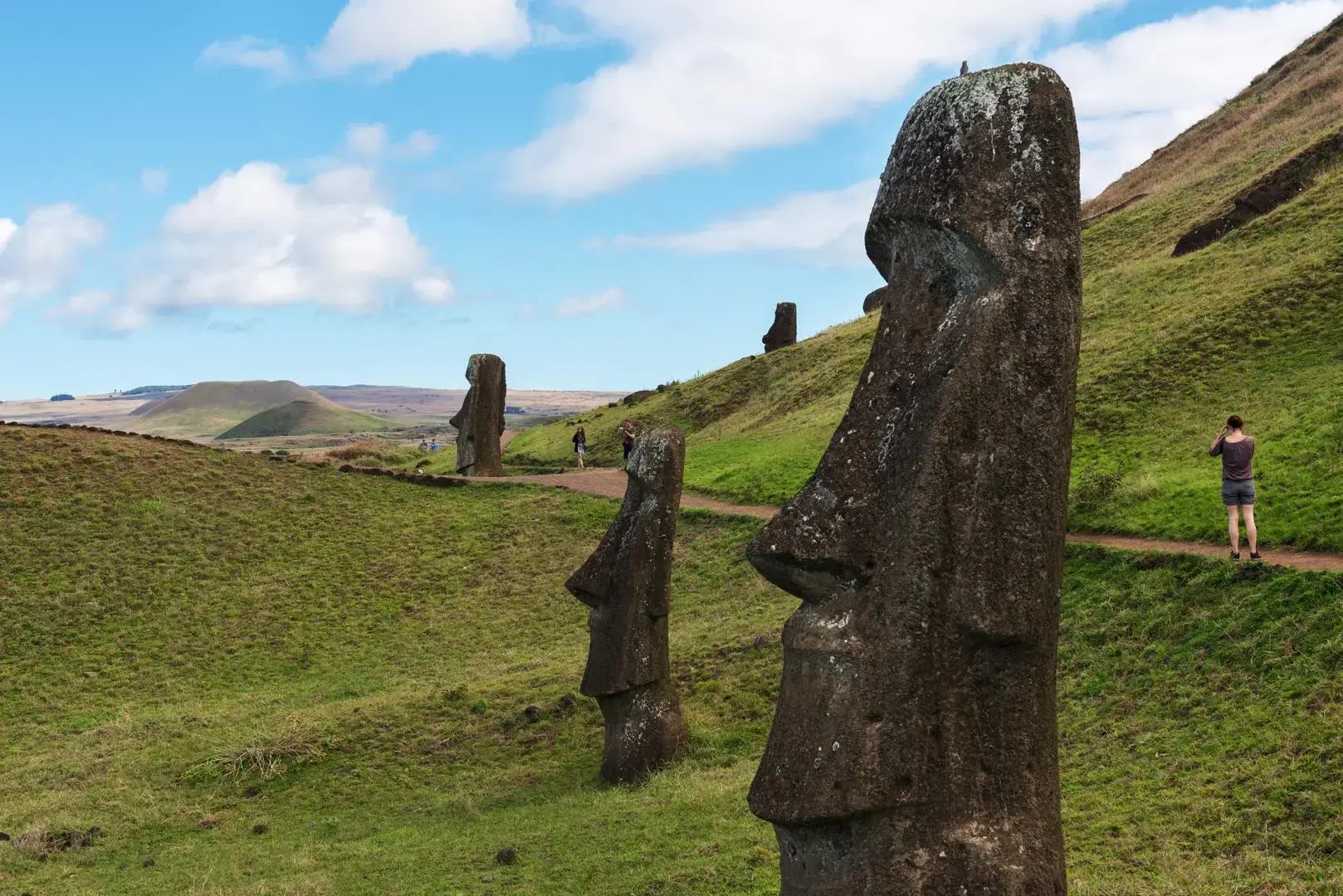
Easter Island offers a completely different side of Chile. Known around the world for its monumental moai statues, the island is also a place of volcanic landscapes. Polynesian culture, beaches, and ocean views. Exploring Rapa Nui means looking beyond the famous statues. Its history, traditions, landscapes, and connection to the Pacific are all part of the experience.
For travelers who want to combine nature, culture, history, and enjoy an island vibe, the Rapa Nui Explorer offers an experience unlike anywhere else in Chile.
The Juan Fernández Archipelago
Far off Chile's central coast, the Juan Fernández Archipelago is another destination for travelers who like to go beyond the usual itinerary.
The remote islands are known for their endemic species, rugged landscapes, clear waters, and rich marine life. Robinson Crusoe Island, the largest of the inhabited islands, is particularly interesting for travelers who enjoy hiking, diving, wildlife, and remote destinations.
It is not the easiest place to reach, and that's precisely part of its appeal.
The “I want it all” traveler
You don't want to choose.
Desert or glaciers? Food or adventure? Mountains or islands? Why choose just one when you can experience several sides of Chile in the same journey?
A longer trip can connect very different regions and experiences. The Best of Chile program is designed for travelers who want to experience that contrast, taking you from the Atacama Desert to Patagonian glaciers.
And even beyond a single program, Chile is a destination that lends itself well to combining experiences. We can customize a trip around the way you want to experience Chile.
_miniatura.webp)
_resultado_miniatura.webp)